
The Synopsis
Hidden up a narrow staircase in San Francisco's Castro District, AutoErotica appears at first glance to be an unassuming shop filled with vintage gay erotica. In reality, it is a living archive, one that holds decades of magazines, films, music, and ephemera that helped shape queer identity, connection, and community before the internet.
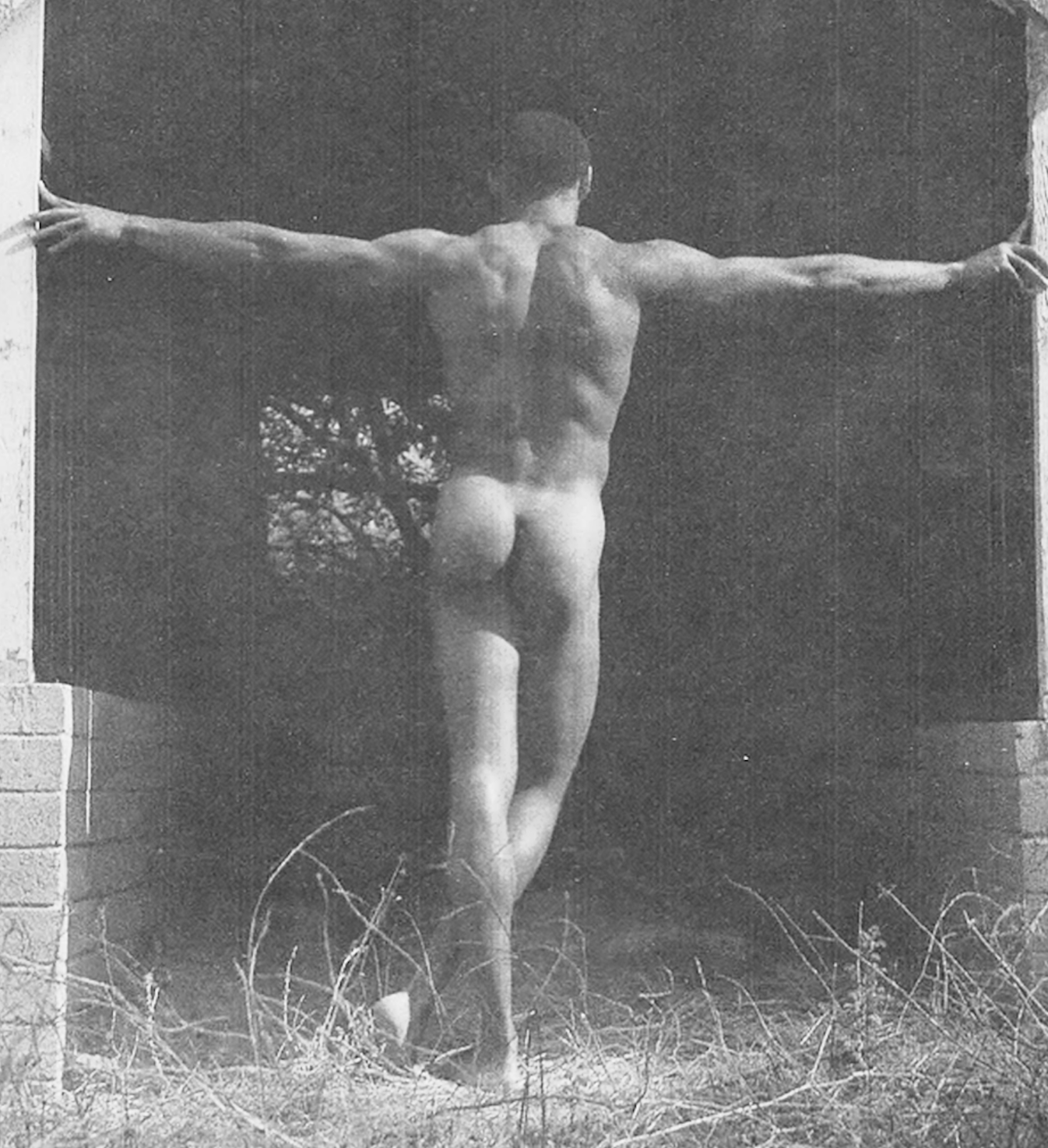
Building on the success of the award-winning short documentary AutoErotica: We Buy Gay Stuff, A Very Oral History uses this collection as a portal into fifty years of queer culture, tracing how media circulated desire, created language, and allowed queer people to find one another during a time when visibility came with risk. Through objects that passed through the store, including Drummer magazine, underground films, disco records, and cult literature, the film reveals how a culture was built, shared, and sustained across generations.
As the AIDS crisis decimated a generation, much of this history was nearly lost. Today, a new wave of artists, archivists, musicians, and preservationists are working to recover and digitize what remains. From forgotten tapes and underground publications to the sounds and stories that shaped queer life, their efforts reveal how cultural memory survives through those willing to carry it forward.
Blending intimate storytelling with a visually rich exploration of archival material, A Very Oral History is both a record of what survived and a meditation on what it means to preserve a history that was never meant to last.
Why This Story Matters
Queer history has often survived outside traditional institutions. It lives in personal collections, record stores, magazines, photographs, flyers, films, and the people who chose to save them.
As the generation most impacted by the AIDS crisis continues to age, stories, artifacts, and cultural memory are disappearing. A Very Oral History examines not only what survives, but how it survives—and the people dedicating themselves to carrying it forward.
The film asks a simple question: What do we inherit from those who came before us, and what responsibility do we have to preserve it?
Themes
Archives as Inheritance
Much of queer history was never formally preserved. Instead, it survived through personal collections, record stores, magazines, photographs, and objects passed from one generation to the next. The film explores how archives become a form of inheritance, connecting people across time through the stories they choose to save.
Cultural Memory
Before the internet, magazines, films, music, and personal ads helped queer people find one another, build community, and imagine new possibilities for themselves. These materials did more than document history—they actively shaped it.
Intergenerational Preservation
As the generation most affected by the AIDS crisis ages, younger artists, archivists, musicians, and preservationists are stepping forward to protect what remains. The film examines the relationships that form when one generation chooses to carry forward the work of another.
Preservation as an Act of Love
Every archive exists because someone cared enough to save it. A Very Oral History explores preservation not only as historical work, but as an act of devotion, memory, and community responsibility.
The Things We Leave Behind
The film asks what survives after a generation is gone. Through magazines, records, films, photographs, and personal collections, it explores how traces of the past continue to shape queer life today.
The Team

Jeremy Von Stilb is a filmmaker and DJ living in San Francisco. For 15 years, he has created work that draws upon his experience in nightlife, often filling his films with the many colorful personalities he has encountered on the dance floors. In 2021 he premiered his debut feature-length film Erica’s First Holy Shit. He also created a short film for RuPaul Drag winner Trixie Mattel that was a part of her debut stage show. His films have played at US, European, and Australian festivals.
Contact: jeremyvonstilb@gmail.com
Jeremy Von Stilb
Director

Ricky Vidrio is a Bay Area local with 10 years of experience in experiential and visual art. He has worked on projects like art cars for Burning Man, including BAAAHS and Airpusher, and the Catacomb of Veils, a 50,000 sq ft pyramid. Ricky’s work explores themes of liberation, focusing on the disconnect from societal expectations of religion and heteronormativity. He is also passionate about preserving lost queer stories. This documentary is his first film production.
Contact: rick.vidrio@gmail.com
Ricky Vidrio
Producer